Global Japanese Sushi Rolls
Highlighted under: Worldly Flavors
I absolutely love making sushi at home, and these Global Japanese Sushi Rolls are a stunning showcase of flavor and creativity! Combining traditional ingredients with a twist, this recipe allows me to experiment with fresh fillings and vibrant colors. Each bite is a delightful mix of textures, from the chewy rice to crisp vegetables and succulent seafood. The best part is that I can customize them to suit any occasion, whether it's a casual dinner or a special celebration with family and friends. Let's roll up some deliciousness together!
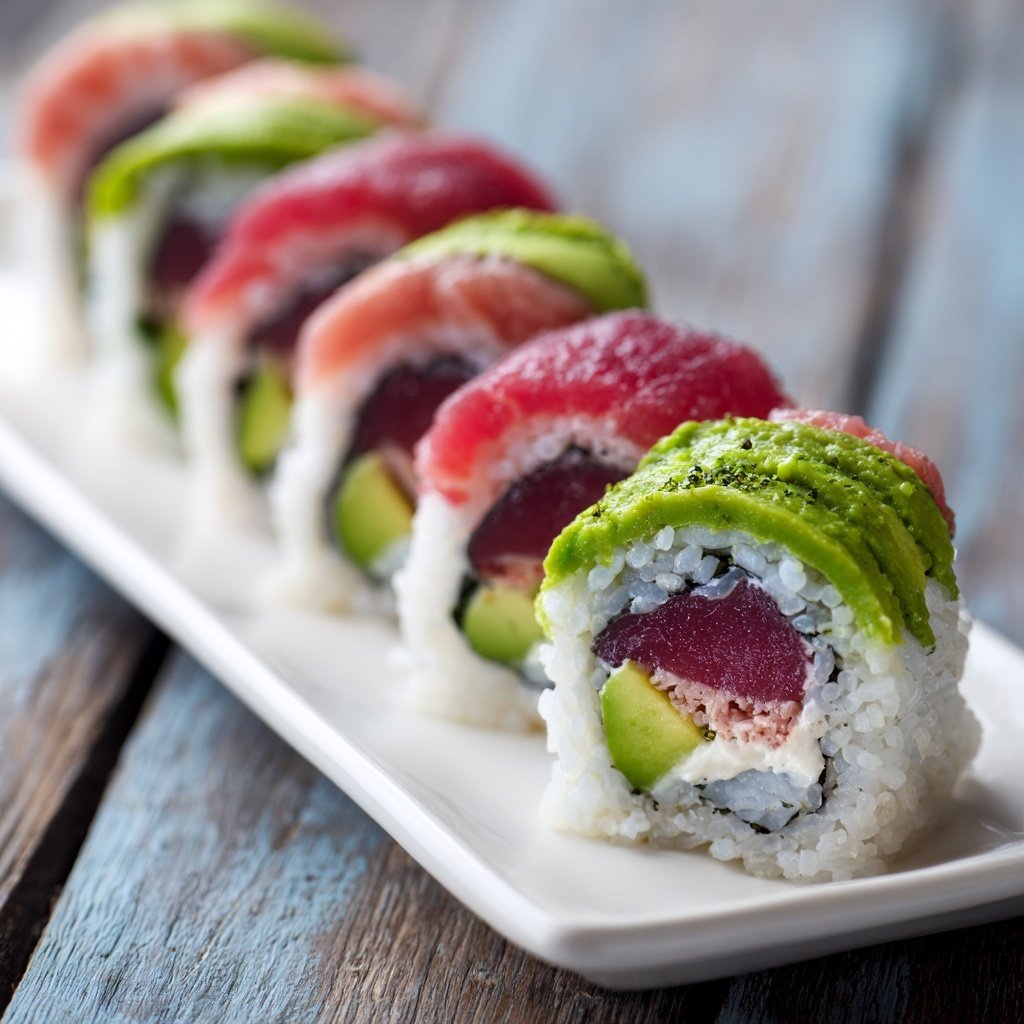
When I first attempted making sushi, I was intimidated by the precise techniques and ingredients. However, as I experimented with various fillings and styles, it became a thrilling culinary adventure. I realized that using high-quality sushi rice and well-seasoned nori is critical, as these components set the foundation for delicious rolls. I recommend practicing the rolling technique with a bamboo mat; it truly makes a difference!
One of my favorite variations for these rolls is using colorful vegetables alongside fresh fish or even avocado for a vegetarian option. Each ingredient contributes unique flavors and textures, which makes this dish not only fun to prepare but also incredibly satisfying to eat. I still find it exciting to see each roll come together, and I can't wait for you to discover your own favorite combinations!
Why You'll Love This Recipe
- Endless customization with your favorite fillings.
- A fun, interactive meal perfect for gatherings.
- Vibrant colors and flavors that impress every palate.
Perfecting Sushi Rice
The foundation of any great sushi roll is the sushi rice, which must be prepared with precision. Start by rinsing the rice several times until the water runs clear; this step removes excess starch and prevents the rice from becoming gummy. After cooking, mix the seasoning (rice vinegar, sugar, and salt) into the warm rice to achieve that glossy finish. This mixture balances the flavors and gives your sushi a slight tanginess that complements the fillings beautifully.
When cooling the sushi rice, spread it on a large tray or a flat surface to enhance air circulation and reduce clumping. This process should take about 20 minutes. If you make your sushi rice in advance, store it in a covered container at room temperature. Avoid refrigerating it, as cold rice can lead to dryness and a harder texture, making it difficult to roll.
Innovative Fillings
While traditional sushi rolls often feature simple ingredients, don’t shy away from getting creative with your fillings. Beyond the classic cucumber and avocado, try experimenting with seasonal ingredients or local favorites. For instance, you can add fresh mango slices for a sweet contrast or even cream cheese for a rich texture. If you’re looking for a vegetarian option, marinated tofu or a mix of sautéed mushrooms can add depth and surprise.
Additionally, consider balancing textures in your rolls. For example, adding textures like crunchy tempura vegetables or toasted sesame seeds can elevate the experience. Each filling should harmonize with others, so it's worth tasting as you create. Remember that presentation counts; vibrant colors will entice everyone to dig in!
Serving and Storage Options
Sushi is best enjoyed fresh, but if you have leftovers, proper storage is key. Wrap any unused rolls tightly in plastic wrap to retain moisture and flavor. They can be kept in the refrigerator for up to 24 hours, though eating them sooner will provide the best experience. To revive the texture, you can microwave them briefly, but be cautious not to overheat, which can compromise the rice’s integrity.
When it’s time to serve, pair your sushi with an array of dipping options. In addition to traditional soy sauce, consider adding a drizzle of spicy mayo or sesame oil for an extra kick. Create a beautiful presentation by garnishing with pickled ginger and wasabi on the side. Get creative with serving plates too; a bamboo or slate platter not only keeps everything organized but also adds an authentic touch to your sushi experience.
Ingredients
Ingredients for Global Japanese Sushi Rolls
Sushi Ingredients
- 2 cups sushi rice
- 2 1/2 cups water
- 1/4 cup rice vinegar
- 2 tablespoons sugar
- 1 teaspoon salt
- 4 sheets nori
- 1 cucumber, julienned
- 1 avocado, sliced
- 8 oz sushi-grade fish (e.g., tuna or salmon), sliced
- Soy sauce, for serving
- Pickled ginger, for serving
- Wasabi, for serving
Instructions
How to Make Global Japanese Sushi Rolls
Prepare the Sushi Rice
Rinse the sushi rice under cold water until the water runs clear. Drain and combine with water in a rice cooker or pot. Cook according to instructions and let it stand for about 10 minutes. In a small saucepan, combine the rice vinegar, sugar, and salt; heat until dissolved. Mix this seasoning into the warm rice and let cool to room temperature.
Assemble the Rolls
Lay a sheet of nori on a bamboo mat, shiny side down. Wet your hands to prevent sticking and grab a handful of rice, spreading it evenly over the nori, leaving a 1-inch border at the top. Layer in your choice of fillings - cucumber, avocado, and fish. Using the bamboo mat, roll tightly from the bottom to the top, tucking in the fillings as you go.
Slice and Serve
Use a sharp knife to slice the roll into six to eight pieces. Clean the knife with a damp cloth between cuts to maintain a clean edge. Serve the rolls with soy sauce, pickled ginger, and wasabi for dipping.
Pro Tips
- Experiment with different fillings like crab, shrimp tempura, or even fruit for a unique twist on sushi. The key is balancing flavors and textures.
Troubleshooting Common Issues
If your sushi rice isn't sticky enough, it may be because it wasn’t rinsed properly or because it didn’t have enough seasoning. Make sure to rinse thoroughly and adjust the vinegar-sugar-salt mixture to suit your taste. Aiming for a slightly sticky texture is crucial for rolling, as it helps ingredients stick together while enjoying each bite.
Another common issue is roll integrity; if your rolls fall apart, you might not have pressed tightly enough while rolling. Use the bamboo mat to exert equal pressure while rolling, and make sure to tuck each filling securely. If the nori is too dry when you roll, consider lightly dampening it with water to enhance flexibility.
Scaling Up for Gatherings
If you're hosting a larger gathering, this sushi roll recipe can easily be scaled up. A good rule of thumb is to prepare one cup of sushi rice per two guests. Ensure that you have enough fillings prepped ahead of time, as setting up a sushi bar where guests can customize their rolls will make the dining experience more interactive and enjoyable.
Use different sizes of nori sheets or rotate between mini rolls (hosomaki) and larger rolls (uramaki) to give your guests variety. Pre-slicing your rolls into smaller pieces can make it easier for guests to sample different flavors without overindulging in one type. This approach encourages conversations and creativity at the table!
Questions About Recipes
→ Can I make sushi rolls without fish?
Absolutely! You can use vegetables like avocado, cucumber, and carrots, or even cooked shrimp or crab for a tasty alternative.
→ How do I store leftover sushi rolls?
Wrap them tightly in plastic wrap and store in the refrigerator. They are best eaten within 24 hours.
→ What type of rice is best for sushi?
Short-grain sushi rice is ideal as it becomes sticky when cooked, allowing the rolls to hold together perfectly.
→ Can I use flavored nori or other rice alternatives?
Yes, feel free to experiment with flavored nori like sesame or spicy, or try alternatives like brown rice for a healthier option.
Global Japanese Sushi Rolls
Created by: The Chefsofiacooks Team
Recipe Type: Worldly Flavors
Skill Level: Intermediate
Final Quantity: 4 rolls
What You'll Need
Sushi Ingredients
- 2 cups sushi rice
- 2 1/2 cups water
- 1/4 cup rice vinegar
- 2 tablespoons sugar
- 1 teaspoon salt
- 4 sheets nori
- 1 cucumber, julienned
- 1 avocado, sliced
- 8 oz sushi-grade fish (e.g., tuna or salmon), sliced
- Soy sauce, for serving
- Pickled ginger, for serving
- Wasabi, for serving
How-To Steps
Rinse the sushi rice under cold water until the water runs clear. Drain and combine with water in a rice cooker or pot. Cook according to instructions and let it stand for about 10 minutes. In a small saucepan, combine the rice vinegar, sugar, and salt; heat until dissolved. Mix this seasoning into the warm rice and let cool to room temperature.
Lay a sheet of nori on a bamboo mat, shiny side down. Wet your hands to prevent sticking and grab a handful of rice, spreading it evenly over the nori, leaving a 1-inch border at the top. Layer in your choice of fillings - cucumber, avocado, and fish. Using the bamboo mat, roll tightly from the bottom to the top, tucking in the fillings as you go.
Use a sharp knife to slice the roll into six to eight pieces. Clean the knife with a damp cloth between cuts to maintain a clean edge. Serve the rolls with soy sauce, pickled ginger, and wasabi for dipping.
Extra Tips
- Experiment with different fillings like crab, shrimp tempura, or even fruit for a unique twist on sushi. The key is balancing flavors and textures.
Nutritional Breakdown (Per Serving)
- Calories: 250 kcal
- Total Fat: 7g
- Saturated Fat: 1g
- Cholesterol: 30mg
- Sodium: 500mg
- Total Carbohydrates: 40g
- Dietary Fiber: 3g
- Sugars: 1g
- Protein: 8g