Flaky Pie Crust
Highlighted under: Dessert Menu
I absolutely love making my own flaky pie crust at home. The process may seem daunting at first, but once I found my groove, I really enjoyed the tactile experience of mixing the fat into the flour and watching it come together. The result is a golden, buttery crust that melts in your mouth. Plus, the aroma wafting through my kitchen is nothing short of magical! This recipe ensures a perfect balance of flakiness and tenderness, making it the ideal base for any pie filling, whether sweet or savory.
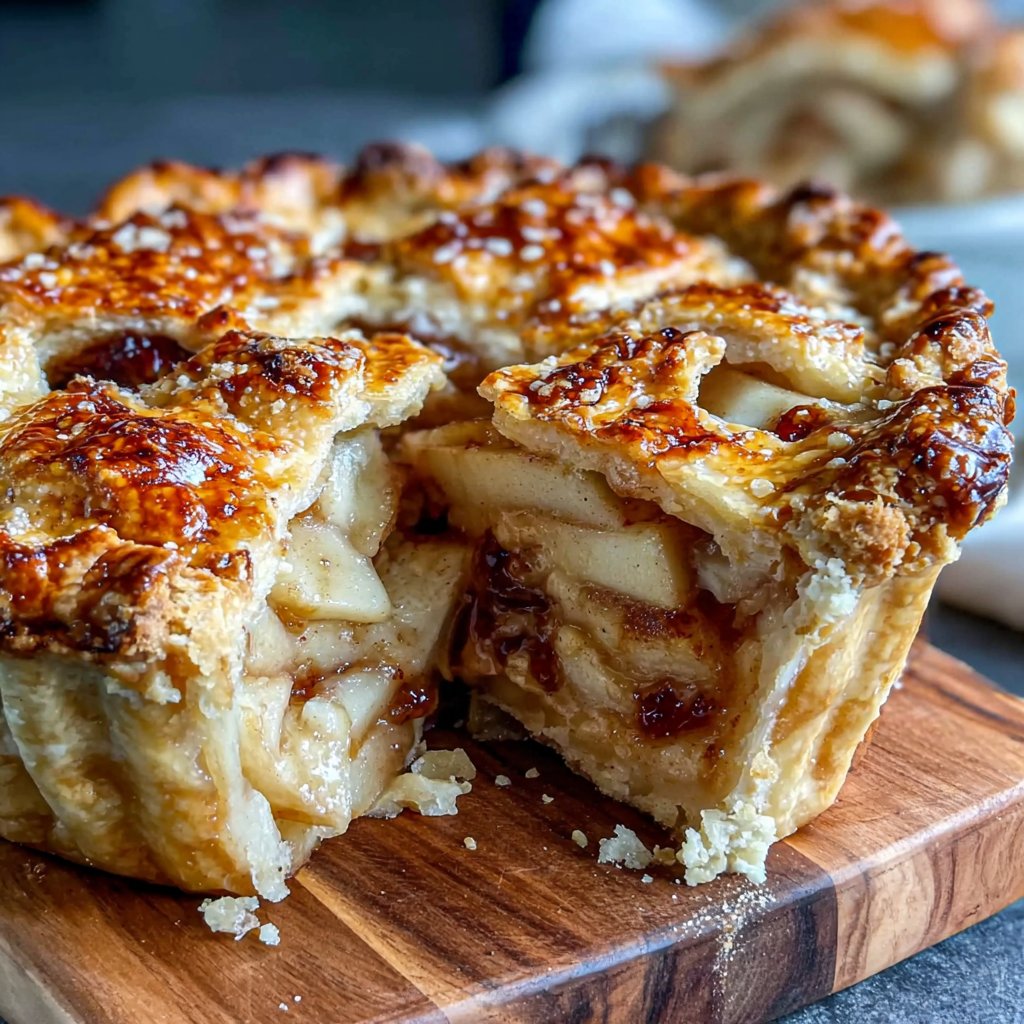
When I first attempted making pie crust from scratch, I was intimidated by the idea of getting that airy, flaky texture. To crack the code, I experimented with different fats—eventually settling on a blend of butter and shortening. The butter provides flavor while the shortening promotes flakiness. Each time I made it, I refined the method, which I now proudly consider foolproof.
A key tip I discovered is to keep everything cold, from the butter to the water. Chilling your ingredients ensures that the fat doesn’t fully melt before baking, which helps create those delightful layers. It’s a simple yet effective habit that transformed my crust from good to great!
Why You'll Love This Recipe
- Perfectly balanced texture that's both flaky and tender
- Versatile enough for sweet and savory pies
- Homemade flavor beats store-bought every time
Understanding the Ingredients
The combination of all-purpose flour, butter, and shortening is critical to achieving that perfect flaky texture in your pie crust. All-purpose flour provides the backbone, while the fats—chilled unsalted butter and shortening—add moisture and richness. Unsalted butter allows you to control the saltiness of your crust, enhancing the overall flavor without making it too savory.
Chilling your fats is equally important. Cold butter and shortening prevent the fats from fully incorporating into the flour too quickly, which is key to achieving the desired flakiness. If your fats warm up during the mixing process, they can create a tough crust instead of a tender one. For the best results, keep your butter and shortening in the freezer for a short time before beginning.
Rolling Techniques and Tips
When rolling out the dough, use a light touch and be mindful of flour placement. Dust your work surface and rolling pin with flour to avoid sticking, but don't overdo it. Too much flour can lead to a dense crust, which defeats the purpose of achieving that perfect balance of flakiness and tenderness. Aim for a thickness of about 1/8 inch as you roll it out to ensure that it bakes evenly.
If you notice cracks forming in the dough while rolling, don't panic. Simply press them together with your fingers or use a small amount of water to bind them. It's also a good idea to rotate the dough every few rolls to maintain an even shape and to ensure that it doesn’t stick. A well-rolled dough should be pliable and can hold its shape as you transfer it to your pie pan.
Ingredients
Gather the following ingredients to make your flaky pie crust:
Flaky Pie Crust Ingredients
- 2 1/2 cups all-purpose flour
- 1 teaspoon salt
- 1 tablespoon granulated sugar
- 1 cup unsalted butter, chilled and cubed
- 1/4 cup shortening, chilled
- 6 to 8 tablespoons ice water
Now that you have all your ingredients, let’s start making that crust!
Instructions
Follow these steps to create your flaky pie crust:
Mix Dry Ingredients
In a large bowl, whisk together the flour, salt, and sugar until well combined.
Cut in the Fats
Using a pastry cutter or your fingers, cut the chilled butter and shortening into the dry ingredients until the mixture resembles coarse crumbs.
Add Ice Water
Sprinkle the ice water over the mixture a tablespoon at a time, mixing gently until the dough begins to hold together.
Form the Dough
Turn the dough onto a floured surface and gently knead it just enough to form a ball. Flatten it into a disk, wrap in plastic wrap, and refrigerate for at least 30 minutes.
Roll Out the Dough
Once chilled, roll the dough out onto a floured surface to fit your pie pan. Transfer it gently into the pan and trim the excess.
Pre-Bake (if needed)
If your recipe calls for a pre-baked crust, prick the bottom with a fork and bake at 400°F (200°C) for about 15 minutes, or until golden.
Enjoy your beautifully crafted flaky pie crust!
Pro Tips
- Ensure all your ingredients, especially the fats, are well chilled to achieve the best texture. Avoid overworking the dough to keep it tender.
Storage and Make-Ahead Tips
If you want to save time, you can prepare the dough ahead of time. After you've formed the dough into a disk, wrap it in plastic wrap and refrigerate for up to three days. Alternatively, you can freeze it for up to three months. Just ensure it's tightly wrapped to prevent freezer burn. When ready to use, thaw it overnight in the refrigerator, then roll it out as directed.
For those who prefer to make pie crusts in bulk, consider using this recipe as a base and creating several disks to have on hand. By doing this, you can cut down on your prep time for future pies, allowing you to whip up a delicious dessert or savory pie whenever the mood strikes.
Troubleshooting Common Issues
One common issue when making pie crust is overworking the dough, which can lead to a tougher texture. Remember, once combined, handle the dough as minimally as possible. If it seems too dry and crumbly when you first mix it, don't hesitate to add a little more ice water, a tablespoon at a time, until it just holds together.
If you've baked your crust and it appears puffy or has bubbles, this may indicate too much water in the dough or insufficient pre-baking time. Make sure to poke the bottom of the crust with a fork (also known as docking) before baking to alleviate bubbles and ensure an even bake. Keeping these tips in mind will help you master your pie crust every time.
Questions About Recipes
→ Can I use all butter instead of shortening?
Yes, but the crust may be slightly less flaky.
→ How do I prevent the crust from shrinking while baking?
Make sure to chill the dough before baking and avoid stretching it when placing it in the pie pan.
→ Can I freeze the pie crust?
Absolutely! Wrap it tightly in plastic wrap and store it in the freezer for up to 2 months.
→ What should I do if my dough is too dry?
Add a little more ice water, one tablespoon at a time, until the dough holds together.
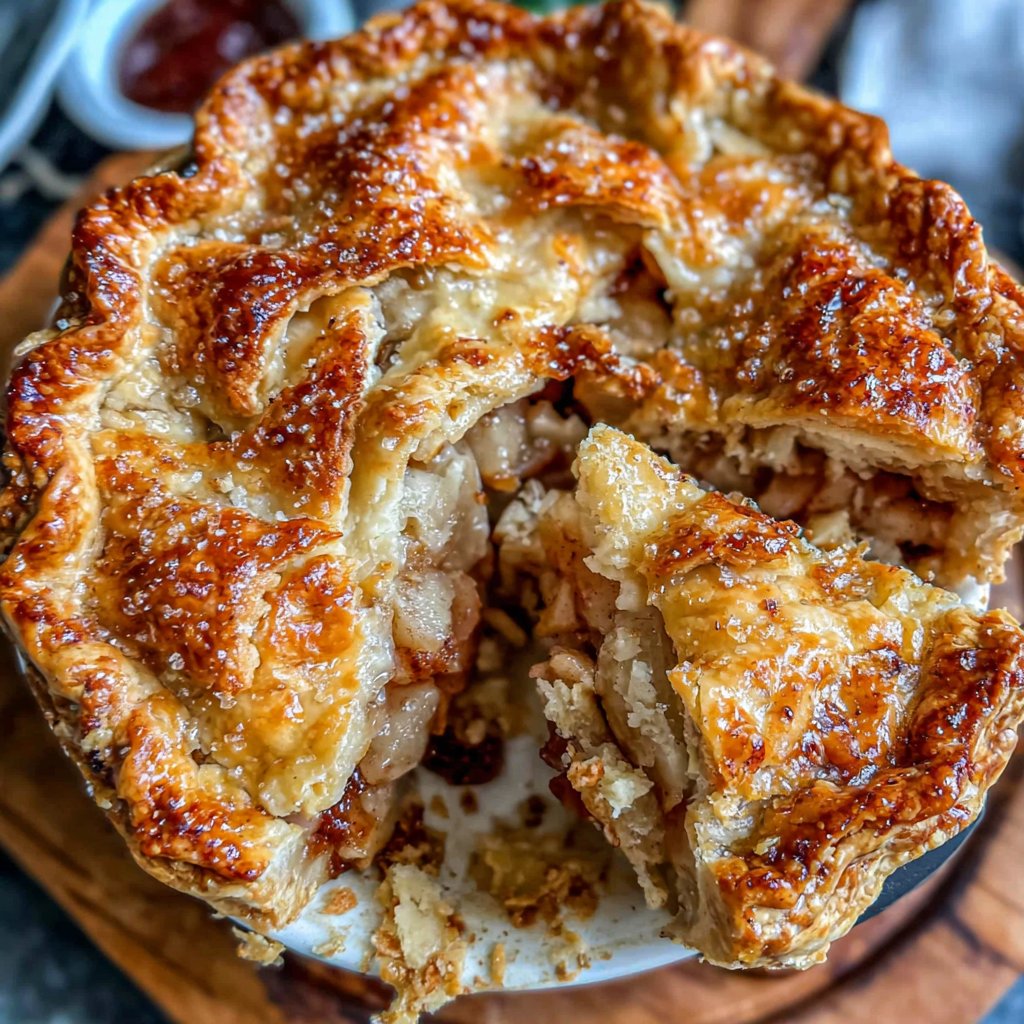
Flaky Pie Crust
Created by: The Chefsofiacooks Team
Recipe Type: Dessert Menu
Skill Level: Intermediate
Final Quantity: 1 pie crust
What You'll Need
Flaky Pie Crust Ingredients
- 2 1/2 cups all-purpose flour
- 1 teaspoon salt
- 1 tablespoon granulated sugar
- 1 cup unsalted butter, chilled and cubed
- 1/4 cup shortening, chilled
- 6 to 8 tablespoons ice water
How-To Steps
In a large bowl, whisk together the flour, salt, and sugar until well combined.
Using a pastry cutter or your fingers, cut the chilled butter and shortening into the dry ingredients until the mixture resembles coarse crumbs.
Sprinkle the ice water over the mixture a tablespoon at a time, mixing gently until the dough begins to hold together.
Turn the dough onto a floured surface and gently knead it just enough to form a ball. Flatten it into a disk, wrap in plastic wrap, and refrigerate for at least 30 minutes.
Once chilled, roll the dough out onto a floured surface to fit your pie pan. Transfer it gently into the pan and trim the excess.
If your recipe calls for a pre-baked crust, prick the bottom with a fork and bake at 400°F (200°C) for about 15 minutes, or until golden.
Extra Tips
- Ensure all your ingredients, especially the fats, are well chilled to achieve the best texture. Avoid overworking the dough to keep it tender.
Nutritional Breakdown (Per Serving)
- Calories: 290 kcal
- Total Fat: 20g
- Saturated Fat: 12g
- Cholesterol: 50mg
- Sodium: 150mg
- Total Carbohydrates: 26g
- Dietary Fiber: 1g
- Sugars: 0g
- Protein: 3g